Sudden swelling around a tooth can be uncomfortable, alarming, and sometimes painful. You might notice redness near the gumline, a small bump beside a tooth, or swelling that makes chewing difficult. These symptoms can develop within hours or become noticeable over several days. While minor irritation may cause temporary inflammation, swelling can also indicate an underlying dental problem that requires prompt attention.
Understanding the possible causes can help you recognize when to seek professional care. For residents of Rancho Santa Margarita, knowing the warning signs of dental infections and other oral health concerns can help prevent complications and protect long-term dental health.
1. Dental Abscess or Bacterial Infection
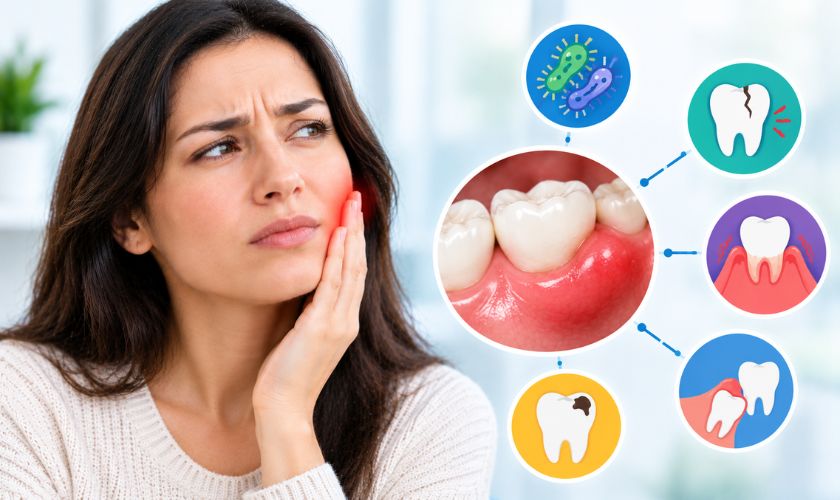
A dental abscess is one of the most important causes of sudden swelling around a tooth. It develops when bacteria infect the inner portion of a tooth or the surrounding gum tissue, leading to a collection of pus. Deep cavities, cracked teeth, and untreated dental problems can allow bacteria to enter and multiply.
Common symptoms include throbbing tooth pain, swollen gums, sensitivity to hot or cold foods, a bad taste in the mouth, and tenderness when biting. Some people also experience facial swelling, fever, or swollen lymph nodes.
A suspected dental abscess requires urgent dental evaluation. The infection will not reliably resolve on its own, even if the pain temporarily disappears. Treatment may involve draining the infection, root canal therapy, or removing the affected tooth, depending on the cause and severity.
2. Gum Disease and Inflammation
Gum disease develops when plaque accumulates around the teeth and along the gumline. The bacteria in plaque irritate the gums, causing inflammation, redness, tenderness, and bleeding. In its early stage, known as gingivitis, swelling may be one of the first noticeable symptoms.
If the condition progresses, periodontitis can damage the tissues and bone supporting the teeth. Pockets may form between the teeth and gums, allowing bacteria to accumulate beneath the gumline.
Although gum disease often develops gradually, its symptoms can suddenly become more noticeable when irritation or infection increases. Professional cleanings, appropriate periodontal treatment, and consistent oral hygiene can help control the condition and reduce the risk of further damage.
3. Food Particles Trapped Between Teeth
Sometimes, swelling occurs because a small piece of food becomes lodged between a tooth and the surrounding gum. Foods such as popcorn, seeds, and fibrous vegetables can become trapped in tight spaces, irritating delicate gum tissue.
The affected area may feel tender, appear red, or bleed when you brush or floss. You might also notice discomfort when chewing.
Gently cleaning between the teeth with dental floss or an appropriately sized interdental brush may help remove the debris. Avoid forcing sharp objects into the gum tissue, as this can cause injury or push food particles deeper.
If the swelling remains after cleaning, becomes more painful, or develops alongside pus or a persistent bad taste, a dental examination is important to rule out infection.
4. A Cracked or Damaged Tooth
A tooth can develop a crack from biting hard foods, grinding your teeth, an accident, or an existing weakness in the tooth structure. Even a small crack may allow bacteria to reach the inner tissues, potentially causing inflammation or infection.
Symptoms can include sharp pain when biting, sensitivity to temperature changes, discomfort that comes and goes, and swelling around the affected tooth if an infection develops.
Not every cracked tooth causes immediate swelling, so the absence of severe pain does not necessarily mean the tooth is healthy. A dental professional can examine the tooth and determine whether treatment, such as a filling, crown, or root canal, may be appropriate.
Seeking care early can help prevent further damage and may improve the chances of preserving the natural tooth.
5. An Impacted or Emerging Wisdom Tooth
Wisdom teeth can cause swelling when they emerge partially through the gums or do not have enough room to come in properly. A flap of gum tissue may cover part of the tooth, creating an area where food debris and bacteria become trapped.
This can lead to a condition called pericoronitis, which causes redness, tenderness, and swelling around the affected tooth. Some people experience jaw discomfort, bad breath, an unpleasant taste, or difficulty opening their mouths.
Keeping the area clean may help reduce irritation, but persistent or worsening symptoms require professional assessment. Depending on the tooth’s position and the severity of the inflammation, treatment may involve cleaning the area or evaluating whether wisdom tooth removal is necessary.
6. Recent Dental Treatment or Injury
Swelling can sometimes develop after a dental procedure, such as an extraction, root canal, or other treatment involving the gums. Mild swelling may be part of the normal healing process, depending on the procedure performed.
However, swelling that suddenly increases, becomes increasingly painful, or appears alongside fever, pus, or a worsening bad taste should not be ignored.
An injury to the mouth can also damage the gums, tooth roots, or surrounding tissues. Even when a tooth looks intact, trauma may cause internal damage that requires evaluation.
Follow the aftercare instructions provided by our dental professional and contact our dental office if your recovery does not progress as expected.
7. Other Possible Causes of Gum Swelling
Not every swollen area around a tooth is caused by an abscess. Local irritation from aggressive brushing, poorly fitting dental appliances, or sensitivity to certain oral care products may inflame the gums.
Hormonal changes and certain medications can also contribute to gum swelling. In some cases, a small ulcer or another condition affecting the soft tissues may cause localized discomfort that resembles tooth-related inflammation.
The location, duration, and accompanying symptoms can help a dental professional narrow down the possible cause. Avoid assuming that swelling is harmless simply because the pain is mild or absent.
When Should You Seek Dental Care?
Sudden swelling around a tooth should be evaluated promptly, particularly when the cause is unclear. Contact a dental professional as soon as possible if you notice persistent swelling, significant toothache, pain when chewing, pus, fever, or swelling spreading toward your cheek or jaw.
Seek emergency medical care immediately if swelling causes difficulty breathing or swallowing, spreads into your neck or around your eye, or is accompanied by severe symptoms. These signs may indicate a potentially dangerous spreading infection.
While waiting for professional advice, gently brush your teeth, avoid irritating the swollen area, and consider a cold compress on the outside of the cheek. Do not attempt to pop or drain a swollen bump, and never place aspirin directly against your gums.
Protect Your Oral Health With Timely Dental Care
Identifying the cause of tooth swelling early can help prevent complications and reduce discomfort. Whether the problem involves an infection, gum disease, trapped food, or a damaged tooth, the appropriate treatment depends on a proper examination.
Maintaining good oral hygiene, cleaning between your teeth daily, limiting frequent sugary snacks, and attending regular dental checkups can help reduce the risk of many dental problems.
For personalized guidance about swelling, tooth pain, or changes in your gums, contact us to discuss your symptoms and determine the appropriate next steps. Residents of Rancho Santa Margarita can benefit from seeking professional dental advice rather than waiting for swelling to worsen.
At Jordan and Pham Dentistry, patients can seek guidance about dental concerns and learn which treatment options may be appropriate for their oral health needs. Do not ignore sudden changes around a tooth, even when discomfort seems manageable.
Taking action early can help protect your natural teeth, support healthy gums, and reduce the likelihood of more complex dental problems.
Frequently Asked Questions
- Why did my gum suddenly swell around one tooth?
Sudden swelling around one tooth may result from a dental abscess, trapped food, gum inflammation, or an injury. A dental examination can identify the cause and determine whether treatment is needed.
- Can a tooth infection cause swelling without pain?
Yes, a tooth infection can sometimes cause swelling without noticeable pain. The absence of discomfort does not rule out an abscess, so unexplained swelling should be evaluated promptly by a dental professional.
- How long does swelling around a tooth last?
The duration depends on the cause. Minor irritation may improve after the irritant is removed, but swelling caused by an infection may persist or worsen without appropriate treatment.
- Can I reduce tooth swelling at home?
A cold compress on the outside of your cheek may help relieve discomfort temporarily. Gentle oral hygiene can also help, but home remedies cannot eliminate a dental abscess or replace necessary professional treatment.
- Does swollen gum tissue always mean I have an abscess?
No. Swollen gums can result from trapped food, gingivitis, irritation, an emerging wisdom tooth, or injury. However, an abscess is a serious possibility when swelling occurs with pain, pus, or fever.
- Can a cracked tooth cause swelling around the gums?
Yes, a cracked tooth can allow bacteria to enter its inner tissues, potentially causing infection and swelling. Pain when biting or sensitivity to temperature changes may also occur, although symptoms vary.
- When is tooth swelling considered a dental emergency?
Swelling accompanied by fever, pus, severe pain, or facial swelling requires urgent dental assessment. Difficulty breathing or swallowing, or swelling spreading toward the neck or eye, requires immediate emergency medical care.