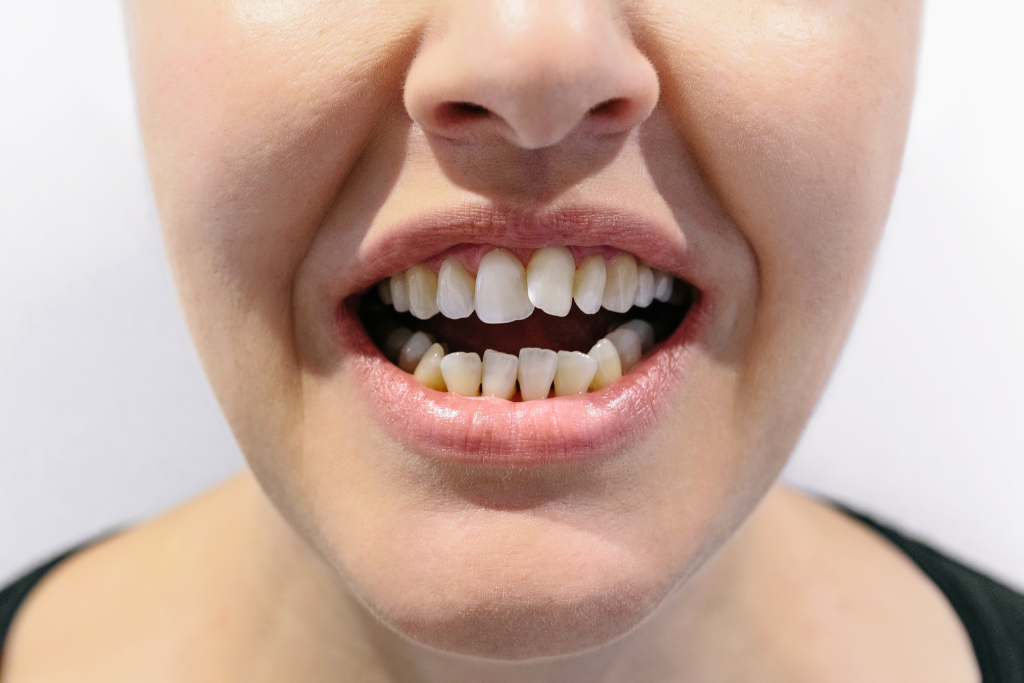
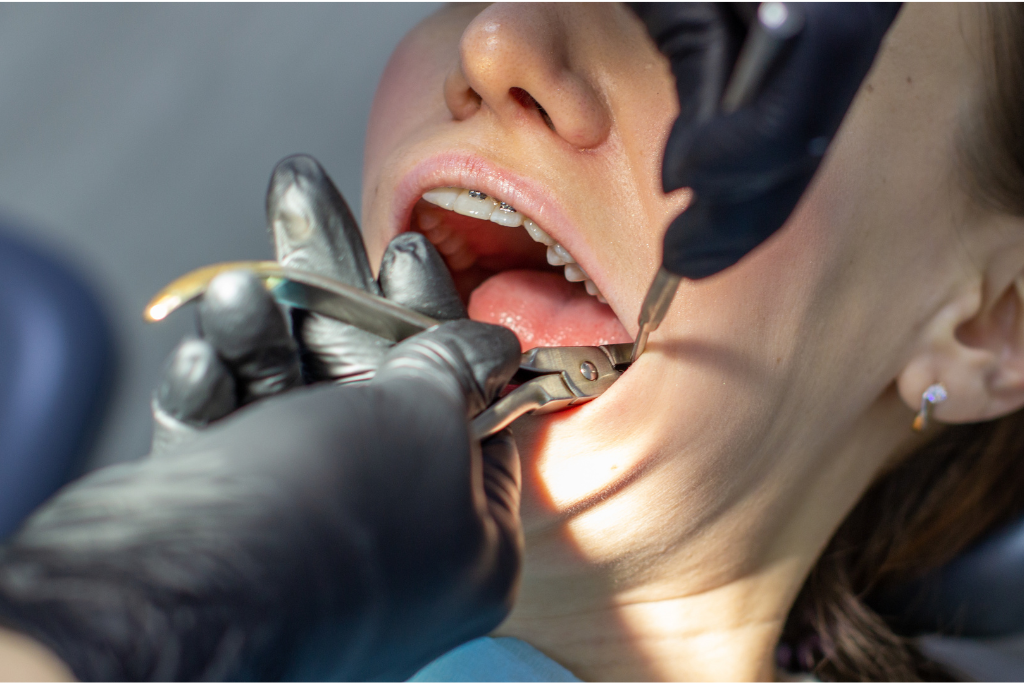
There was a time when a cracked molar or a deep cavity meant one thing: the dentist reached for the forceps and pulled it. That’s not how things work anymore. Dental medicine has changed so much in the last two decades that teeth once considered “hopeless” can now be treated, restored, and kept in your mouth for years, sometimes for life. If a dentist in RSM once told you that extraction was your only option, it’s worth getting a second look, because the tools and techniques available today are simply better.
At our practice, we see this shift every week. A patient comes in expecting bad news, braced for an extraction, and leaves with a treatment plan that saves their natural tooth instead. That’s the standard we hold ourselves to as a dentist in Rancho Santa Margarita, where our skilled dental professionals provide personalized care that fits real life, not just the fastest fix. Saving a natural tooth almost always beats replacing one, and modern dentistry finally gives us the means to do it more often than not.
Why Dentists Used to Pull Teeth So Often
Extraction used to be the default answer for a few honest reasons. Diagnostic tools were limited, so dentists couldn’t always see the true extent of decay or a fracture until it was too late to save the tooth. Root canal instruments were bulkier and less precise, making curved or narrow canals difficult to treat. Materials for rebuilding a badly damaged tooth also weren’t as strong or long-lasting as what we use now, so pulling the tooth and moving to a denture or bridge was often the safer bet, even if it wasn’t the best one.
What Changed: The Technology Behind Saving Teeth
A few advances made the biggest difference.
Digital imaging and 3D scanning. Cone-beam CT scans let us see a tooth’s root structure, nerve canals, and surrounding bone in three dimensions before we pick up an instrument, meaning fewer surprises and higher success rates for root canals and restorative work.
Better root canal technology. Flexible rotary files now navigate curved canals that older, stiffer instruments couldn’t reach safely. Paired with improved irrigation that clears out bacteria more thoroughly, root canals today succeed well above 90 percent of the time, and most patients say the procedure feels no different from a filling.
Stronger restorative materials. Zirconia crowns, bonded ceramics, and modern composite resins bond directly to tooth structure and distribute chewing forces the way a natural tooth does. A crown placed today can realistically last 15 to 20 years with good care.
Regenerative, minimally invasive techniques. Procedures like pulp capping and laser-assisted therapy treat damage at a microscopic level, preserving natural tooth structure instead of removing large sections of it.
Put together, a tooth that would have been pulled in 2005 has a real shot at being saved in 2026.
The Procedures Actually Saving Teeth Today
Root canal therapy remains the most common tooth-saving procedure, and it’s often misunderstood. The infection or nerve damage is what causes pain, not the treatment itself. Removing that infected tissue and sealing the canal actually resolves the pain rather than causing it.
Crowns and onlays now let us rebuild a tooth that’s lost significant structure without extracting it, capping what remains rather than removing the whole tooth for a large cavity or fracture.
Gum disease used to mean loose teeth were simply removed. Today, deep cleanings, localized antibiotic therapy, and bone grafting can stabilize the tissue around a tooth, keeping it anchored for years longer than would have been possible before.
Why This Matters for Your Long-Term Oral Health
Your natural tooth does things an implant or bridge can’t fully replicate. It has a periodontal ligament that senses bite pressure and protects surrounding bone from wearing down, and keeping it in place preserves jawbone density that tends to erode once a tooth is removed and not replaced correctly. There’s a cost side too: saving a tooth is often less expensive over a lifetime than the extraction-plus-replacement path, once implants, bridges, or dentures and their upkeep are factored in.
Local to Rancho Santa Margarita: What We See Here
Living in RSM, between the trails at Santa Margarita Parkway and the community feel around SAMLARC’s neighborhood parks, we treat a lot of active families, weekend cyclists on the Ridgeline trail, and folks who grew up going to school right here in town. That means we see everything from sports-related chips and fractures to years of wear from grinding during stressful workweeks. Whatever brought you in, our approach as a dentist in RSM is the same: look for every reasonable way to save the tooth before considering removal. We know our patients want to keep chewing steak at Slice Pizza and Pasta House or biting into a burger from The Stand without thinking twice about a missing tooth, and that’s exactly the outcome we aim for.
Choosing a dentist in Rancho Santa Margarita CA who takes the time to explain your options, rather than jumping straight to extraction, makes a real difference in how your smile holds up over the next twenty or thirty years. We walk you through the imaging, the treatment plan, and realistic outcomes so you’re deciding with full information, not fear.
Ready to Find Out If Your Tooth Can Be Saved?
If a dentist told you years ago that a tooth had to come out, it’s worth a fresh look. Technology has moved fast, and treatment options that didn’t exist before are standard practice now. Jordan & Pham Dentistry has built a reputation as a trusted dentist in Rancho Santa Margarita CA by putting tooth preservation first and explaining every option clearly before any decision is made. Call us at +1 949-889-1577 or book online today, and let’s see what we can save.
Frequently Asked Questions
Is a root canal really better than just pulling the tooth?
In almost every case, yes. Keeping your natural tooth preserves bone, protects neighboring teeth from shifting and avoids the added cost and healing time of an implant or bridge later.
How do I know if my tooth can still be saved?
The only real way to know is a current exam with digital X-rays or a 3D scan. Damage that looked hopeless on an old film often looks very treatable with today’s imaging.
Does modern root canal treatment hurt?
Most patients describe it as comparable to getting a filling. Numbing techniques and instrumentation have both improved significantly, so the days of the “painful root canal” reputation are largely behind us.
What happens if I wait too long to treat a damaged tooth?
Delaying treatment gives infection or fracture lines more time to spread, which can eventually rule out tooth-saving options entirely. Earlier evaluation almost always means more choices.