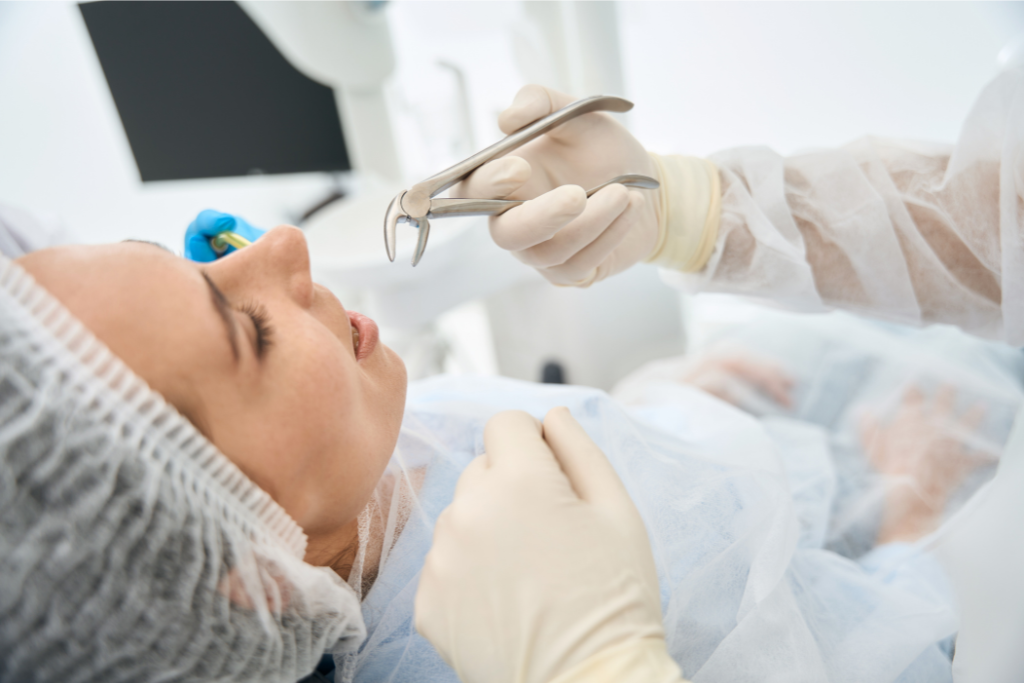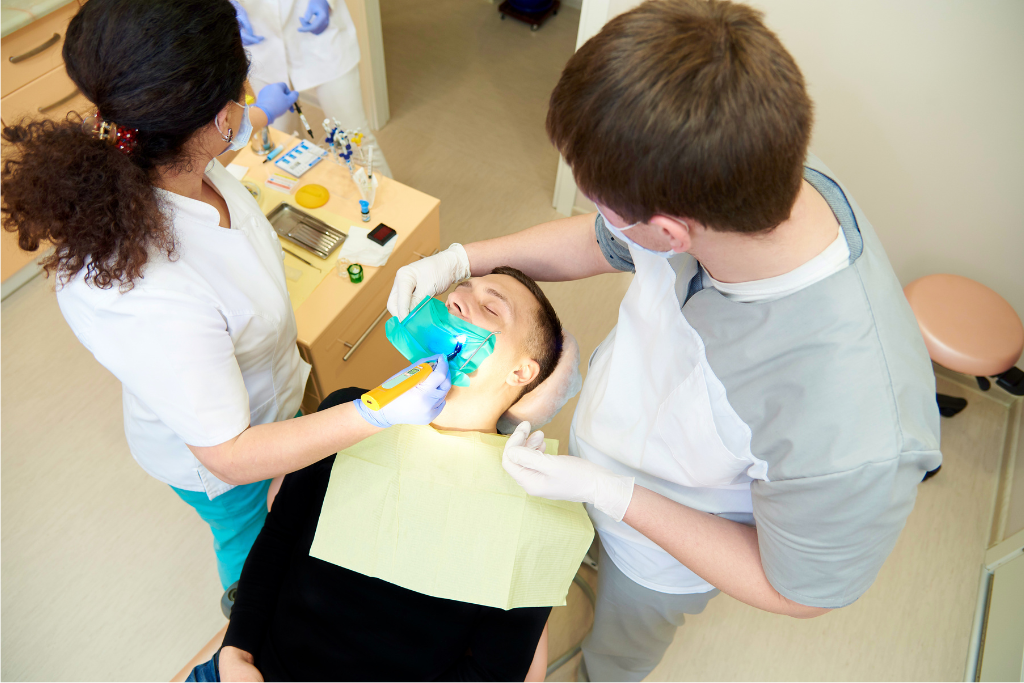
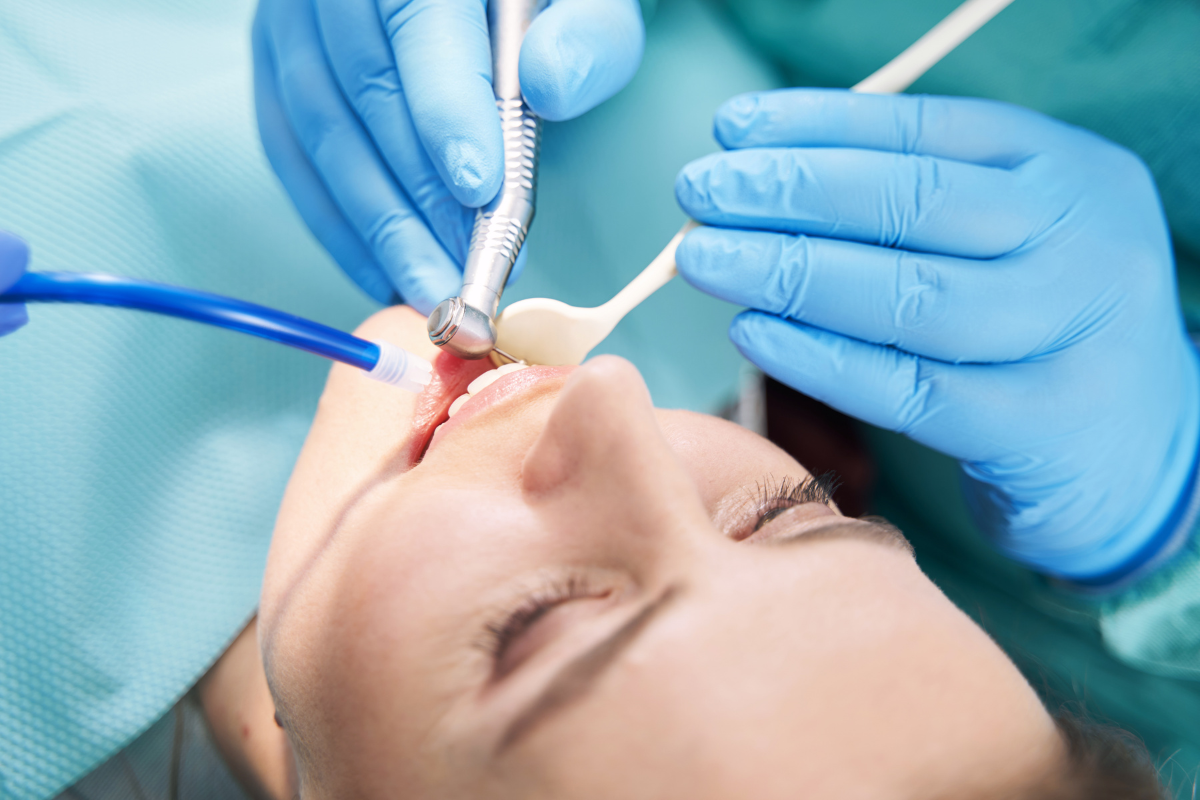
Oral surgery is often recommended when a dental issue is too advanced to be treated with routine procedures. Whether it’s wisdom teeth removal, a dental implant, a bone graft, or treatment for an infection, acting promptly is crucial. Yet many patients postpone their surgery due to fear, scheduling conflicts, or the hope that the problem will resolve on its own. Unfortunately, waiting too long can lead to serious complications that impact your oral and overall health.
This guide explains the risks of delaying oral surgery, why timely treatment matters, and what may happen if you avoid your recommended procedure. If you’re considering oral surgery in Rancho Santa Margarita, it’s important to understand how early intervention can prevent long-term damage.
Why Patients Delay Oral Surgery (And Why It’s a Problem)
Patients often put off oral surgery because of cost concerns, anxiety, or lack of symptoms. However, most dental issues progress silently. What begins as mild discomfort or a small infection can escalate into severe, irreversible damage.
Delaying oral surgery in Rancho Santa Margarita may lead to more invasive procedures, longer recovery times, and higher costs in the future.
Major Risks of Delaying Oral Surgery
1. Worsening Infection
Untreated dental infections do not heal on their own. Instead, they spread deeper into the bone, gum tissue, and even the bloodstream.
Complications include:
- Abscess formation
- Bone deterioration
- Facial swelling
- Fever and systemic infection
- Potential hospitalization in severe cases
A severe infection can also make surgery more complex and recovery more difficult.
2. Increased Pain and Discomfort
A minor toothache today can turn into chronic, intense pain tomorrow.
Delaying treatment can lead to:
- Persistent throbbing pain
- Jaw stiffness
- Sensitivity to hot and cold
- Sharp pain while chewing
As the underlying dental issue progresses, pain relief becomes less effective and temporary.
3. Damage to Surrounding Teeth
When problematic teeth (especially wisdom teeth) are left untreated, they can shift, push, or damage neighboring teeth.
You might experience:
- Tooth crowding
- Misalignment
- Cracks or fractures
- Premature wear
This can lead to orthodontic issues and additional dental treatments down the road.
4. Bone Loss Progression
Conditions like periodontal disease, missing teeth, and infections cause gradual bone loss. Once too much bone disappears, reconstruction becomes necessary.
Delaying surgery can lead to:
- Need for bone grafts
- Weakened jaw support
- Compromised dental implant success
- Changes in facial structure
Bone loss also increases the overall cost and complexity of future treatment.
5. Impacted Wisdom Teeth Getting Worse
Impacted wisdom teeth rarely improve over time. When not removed, they become more tightly embedded in the jawbone and can lead to:
- Cysts forming around the tooth
- Nerve damage
- Gum disease
- Jaw stiffness
- Infections that spread to other areas
The longer you wait, the more difficult and painful the extraction may become.
6. Compromised Dental Implant Success
Dentists recommend placing implants as soon as possible after a tooth is lost. Waiting too long results in bone shrinkage, making implant placement risky or impossible without additional procedures.
Consequences of delaying include:
- Need for bone grafting
- Longer treatment timeline
- Increased cost
- Higher risk of implant failure
Early implant placement preserves bone and promotes a more predictable outcome.
7. More Complicated and Costly Procedures Later
One of the biggest risks of delaying oral surgery is the increase in cost and treatment complexity.
Delayed treatment often means:
- Additional surgeries
- More time under sedation
- Extended recovery periods
- Higher overall dental expenses
Acting promptly often prevents these extra steps.
How to Know It’s Time for Oral Surgery
You may need to move forward with oral surgery if you experience:
- Persistent tooth pain
- Swelling or infection
- Difficulty chewing
- Loose teeth
- Jaw stiffness
- Recurrent gum problems
- A missing tooth requiring replacement
If any of these issues apply, schedule an evaluation as soon as possible.
Don’t Wait – Protect Your Oral Health Today
Putting off oral surgery may seem harmless at first, but the long-term consequences can significantly impact your health, comfort, and finances. When you need oral surgery in Rancho Santa Margarita, choosing timely treatment is the best way to avoid complications, save money, and ensure a smoother recovery. At Jordan & Pham Dentistry, our experienced team provides safe, comfortable, and advanced oral surgery solutions tailored to your needs. Book an appointment today to protect your smile and prevent issues from worsening.
FAQs
1. What happens if I delay my oral surgery?
Delaying oral surgery can lead to worsening infections, increased pain, bone loss, and more complex procedures later. Waiting too long may also require additional treatments such as bone grafts or emergency care.
2. Why is it risky to wait on removing impacted wisdom teeth?
Impacted wisdom teeth become more difficult to remove over time and may cause crowding, nerve damage, cysts, and recurring infections. Early removal reduces complications and promotes easier healing.
3. Does delaying oral surgery make the procedure more painful?
Yes. As conditions worsen, inflammation, infection, or bone loss can increase pain and make surgery more complex. Early treatment helps minimize discomfort before, during, and after the procedure
4. Can delaying oral surgery affect nearby teeth?
Absolutely. Untreated dental issues, especially infected or impacted teeth can shift, damage, or weaken surrounding teeth, potentially leading to cracks, misalignment, or gum problems.
5. How do I know if it’s time to schedule oral surgery?
If you experience ongoing pain, swelling, tooth mobility, repeated infections, or have been advised by your dentist, it’s time to schedule a consultation. Persistent symptoms rarely improve without treatment.