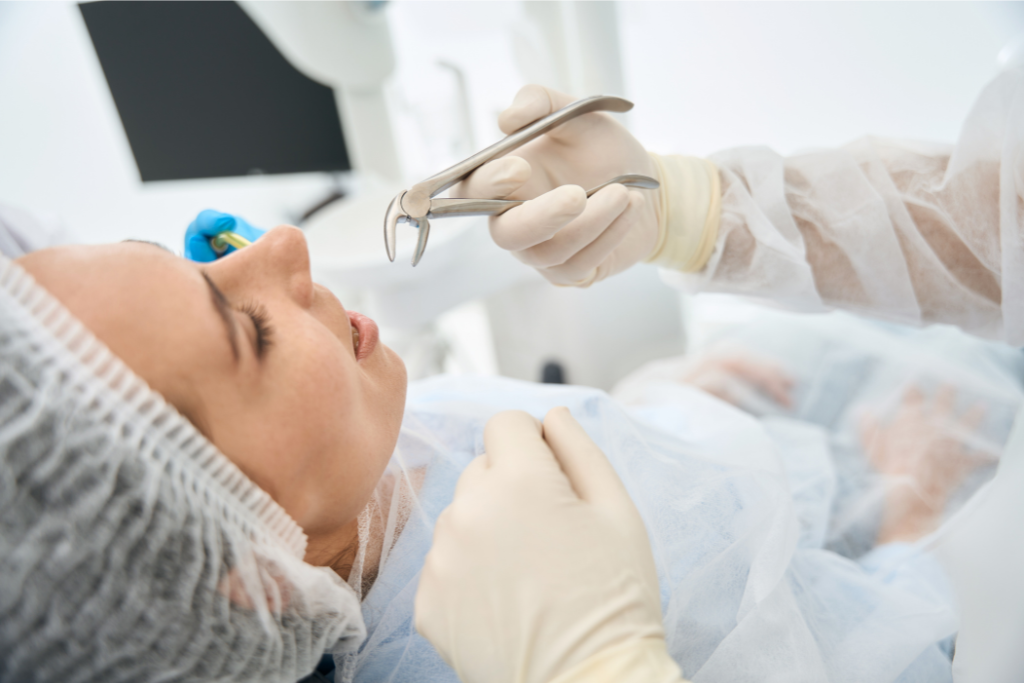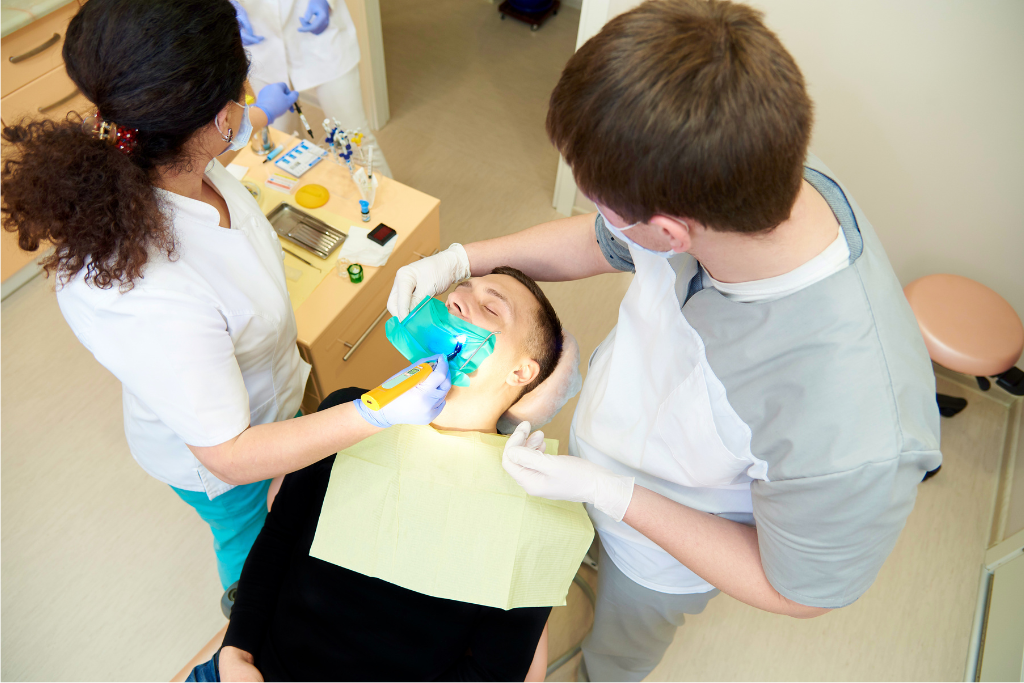
Recovering from oral surgery can feel overwhelming, especially when something as simple as eating suddenly requires extra thought. Whether you have recently had wisdom teeth removed, a tooth extracted, or another dental procedure completed, choosing the right foods can make a major difference in how quickly and comfortably you heal. Eating the wrong foods too soon may irritate the surgical site, delay recovery, or even cause complications.
If you are preparing for oral surgery in Rancho Santa Margarita, understanding what to eat after your procedure can help you protect your smile and support a smoother healing process. Here is a helpful guide to the best foods for faster healing after oral surgery.
Why Your Diet Matters After Oral Surgery
After oral surgery, your mouth needs time to recover. The tissues around the surgical site may be swollen, tender, and highly sensitive. Hard, crunchy, or spicy foods can interfere with healing, increase discomfort, and put your recovery at risk.
A soft-food diet helps by:
- Reducing irritation to the surgical area
- Preventing stitches or blood clots from becoming disturbed
- Minimizing pain while chewing
- Providing your body with nutrients needed for healing
Patients recovering from oral surgery in Rancho Santa Margarita often lead busy, active lifestyles, so choosing easy-to-prepare meals that support healing can make the recovery process much more manageable.
Best Foods to Eat After Oral Surgery
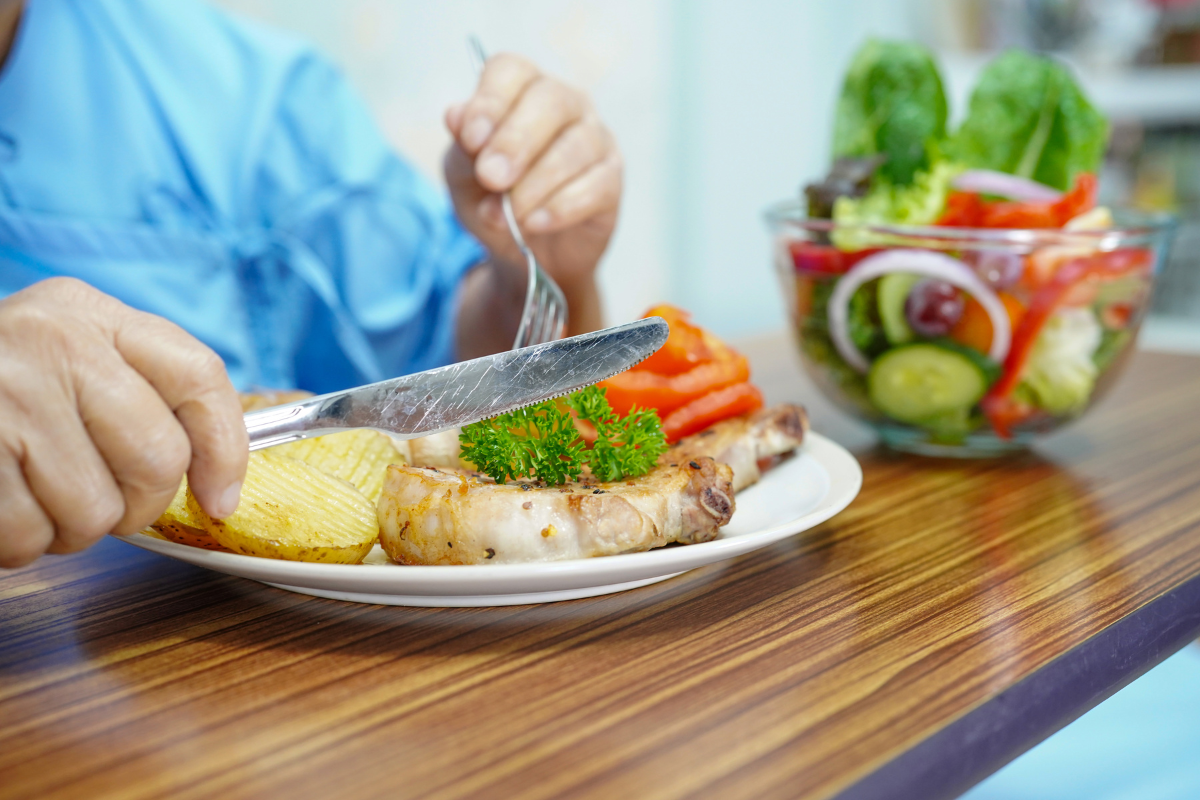
The best foods after oral surgery are soft, gentle on the mouth, and packed with nutrients. Here are some of the top recommendations:
Smoothies and Protein Shakes
Smoothies are an excellent option because they are easy to consume and full of vitamins. You can blend fruits, yogurt, protein powder, and leafy greens for a nutritious meal. Just remember not to drink through a straw, as suction can dislodge the healing blood clot and lead to dry socket.
Yogurt
Yogurt is cool, smooth, and easy to eat without chewing. It also contains probiotics that may support your digestive health if you are taking antibiotics after surgery.
Mashed Potatoes
Mashed potatoes are soft, filling, and comforting. They provide carbohydrates for energy while being gentle enough for sensitive mouths.
Applesauce
Applesauce offers natural sweetness, vitamins, and a smooth texture that is ideal during the first few days of recovery.
Scrambled Eggs
Eggs are rich in protein, which helps repair tissues after surgery. Soft scrambled eggs are easy to chew and can be eaten warm once your mouth feels ready.
Soup and Broth
Warm broth-based soups can keep you hydrated and nourished. Be sure they are not too hot, as excessive heat may irritate the surgical area. Creamy soups without chunks are especially ideal early in recovery.
Oatmeal
Once your mouth begins feeling better, soft oatmeal can be a hearty breakfast option. Allow it to cool slightly before eating.
Cottage Cheese
Cottage cheese is high in protein and soft enough to eat with minimal chewing, making it another smart post-surgery food.
Foods to Avoid After Oral Surgery
Knowing what not to eat is just as important as knowing what is safe. Certain foods can slow healing or create painful complications.
Avoid these foods after oral surgery:
- Crunchy snacks like chips, crackers, and popcorn
- Hard foods such as nuts and candy
- Spicy foods that may irritate tissues
- Acidic foods like citrus fruits and tomatoes
- Sticky foods such as caramel or chewing gum
- Hot foods or drinks immediately after surgery
- Alcoholic beverages during recovery
These foods may disturb the surgical site or cause discomfort while your mouth heals.
How Long Should You Stick to Soft Foods?
Most patients need to follow a soft-food diet for at least a few days after surgery, though the exact timeline depends on the procedure and your healing speed. For more complex treatments like wisdom tooth extractions, some patients may need to avoid hard foods for a week or longer.
Your dentist will provide personalized aftercare instructions, but as a general rule:
- Days 1–2: Stick to liquids and very soft foods
- Days 3–5: Gradually introduce soft solids
- After 1 week: Slowly resume normal eating as tolerated
Always listen to your body and avoid rushing the process.
Helpful Recovery Tips Beyond Food
In addition to eating the right foods, these tips can help support a smoother recovery:
Stay Hydrated
Drink plenty of water throughout the day to stay hydrated and promote healing.
Eat Slowly
Take your time when eating to avoid accidentally biting sensitive areas or causing discomfort.
Maintain Oral Hygiene Carefully
Follow your dentist’s cleaning instructions closely, especially around the surgical site.
Rest and Avoid Overexertion
Give your body time to heal by limiting strenuous activity for the first few days.
When to Contact Your Dentist
Some discomfort after oral surgery is normal, but if you experience severe pain, excessive swelling, bleeding that does not stop, or signs of infection, contact your dental provider promptly. Proper follow-up care can help prevent complications and ensure your recovery stays on track.
Supporting Your Recovery With Expert Dental Care
Healing after oral surgery starts with proper aftercare, but it also begins with choosing an experienced dental team you trust. If you are considering oral surgery in Rancho Santa Margarita, having knowledgeable professionals guide you before, during, and after treatment can make all the difference.
At Jordan & Pham Dentistry, we are committed to helping patients feel comfortable, informed, and cared for every step of the way. From preparing for your procedure to ensuring a smooth recovery, our team provides personalized treatment designed around your needs.
If you have questions about oral surgery or are ready to schedule an appointment, contact Jordan & Pham Dentistry today to book your visit and receive expert care for your healthiest smile.
Frequently Asked Questions
What Foods Are Best To Eat After Oral Surgery?
Soft foods such as yogurt, mashed potatoes, smoothies, applesauce, scrambled eggs, and soup are among the best choices after oral surgery because they are gentle on the mouth and easy to chew while healing.
How Long Should I Eat Soft Foods After Oral Surgery?
Most patients should stick to soft foods for at least a few days after oral surgery, though some may need to continue for up to a week depending on the procedure and how quickly they heal.
What Foods Should I Avoid After Oral Surgery?
After oral surgery, it is best to avoid crunchy, hard, spicy, sticky, or very hot foods because they can irritate the surgical site and interfere with proper healing.
Can I Drink Smoothies After Oral Surgery?
Yes, smoothies are a great option after oral surgery because they provide nutrients and are easy to consume. However, patients should avoid using a straw, as suction can increase the risk of dry socket.
When Can I Return To My Normal Diet After Oral Surgery?
Many patients can slowly return to their normal diet within about a week after oral surgery, but the exact timing depends on the type of treatment and individual healing progress.