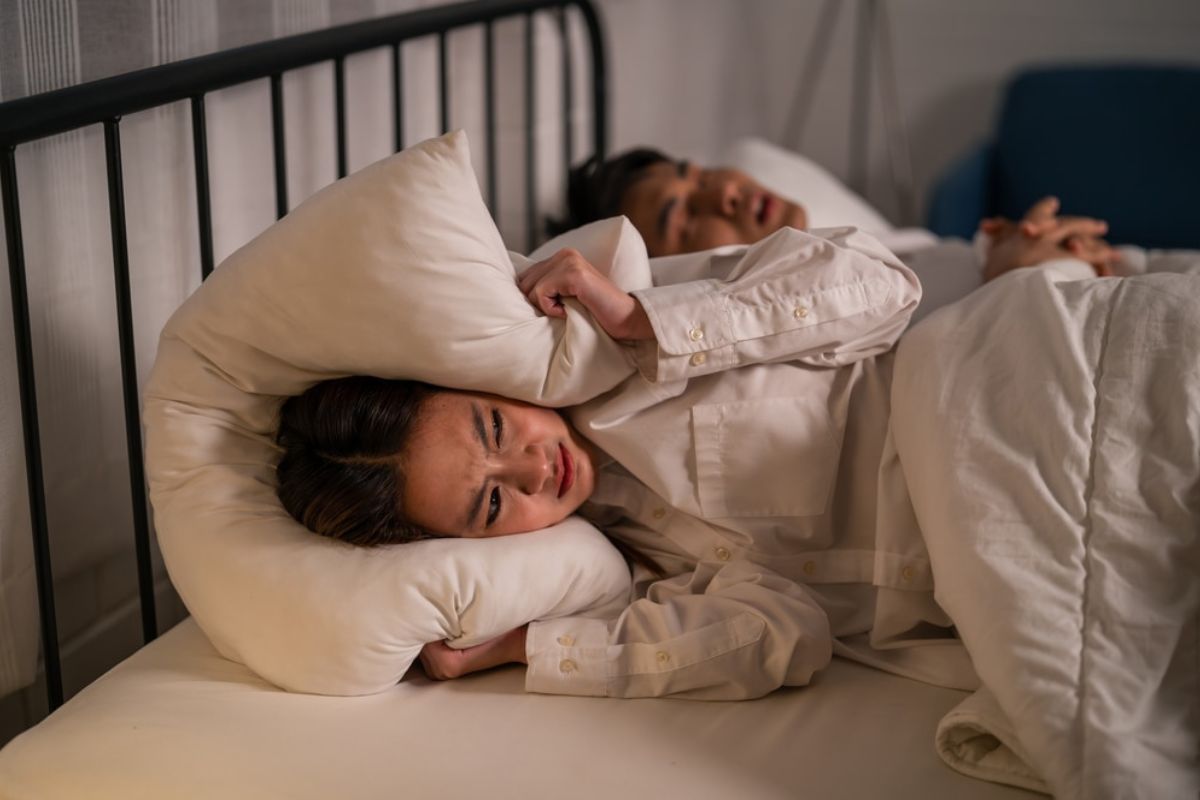

Do you wake up feeling unrested? Many people struggle with daytime fatigue. Sometimes, the problem is more than just a bad night’s sleep. You might have sleep apnea. This common disorder impacts breathing during sleep. Recognizing the signs is the first step. Let’s explore what to look for.
Loud Snoring: A Key Indicator
Snoring is often dismissed as normal. However, very loud snoring is a major red flag. It’s not just annoying for your partner. It could mean your airway is blocked. This blockage stops air from flowing freely. Listen for gasping or choking sounds too. These sounds suggest you are struggling to breathe.
Daytime Drowsiness: More Than Just Sleepiness
Feeling sleepy all day is a big sign. You might doze off easily. This can happen while working or driving. It shows your body isn’t getting enough rest. Even after a long night, you feel tired. This consistent fatigue is a symptom. It truly affects your daily life.
Waking Up with a Dry Mouth or Sore Throat
Do you often wake up with a dry mouth? Is your throat sore in the morning? These can be signs of sleep apnea. Breathing through your mouth all night causes dryness. It can also irritate your throat. This happens when your airway repeatedly closes.
Morning Headaches: A Surprising Link
Headaches in the morning are also common. They often occur with sleep apnea. Reduced oxygen levels during sleep cause them. Your brain doesn’t get enough oxygen. This can lead to a pounding headache. These headaches typically fade quickly.
Dental Clues Your Dentist Might Spot
Your dentist plays a vital role. They can spot oral signs of sleep apnea. Teeth grinding, or bruxism, is one example. Excessive wear on your teeth can indicate grinding. This often happens unconsciously during sleep. A scalloped tongue is another sign. This shows your tongue is pressing against your teeth. Your dentist may also notice a narrow airway. This is visible during an oral exam. These dental observations are crucial clues.
The Role of Your Dentist in Diagnosis
Dentists are often the first to suspect sleep apnea. They see oral health effects daily. They can recommend further evaluation. They work with sleep specialists. This team approach ensures proper diagnosis. Addressing sleep apnea improves overall health. It protects your oral health too.
Exploring Sleep Apnea Treatment Options
Once diagnosed, many treatments are available. Continuous Positive Airway Pressure (CPAP) is common. Oral appliances are another option. These are custom-made devices. They help keep your airway open. Your dentist can often provide these. If you need sleep apnea treatment , ask your dentist. They can guide you to suitable options. Effective treatment improves your quality of life.
Don’t Ignore the Signs
Recognizing sleep apnea signs is important. Untreated sleep apnea has serious risks. It affects your heart and overall health. Talk to your doctor or dentist. They can help you get tested. Don’t delay seeking help. Take charge of your sleep.
Are you experiencing any of these signs? Don’t wait. Contact us today to schedule an appointment for an evaluation.