
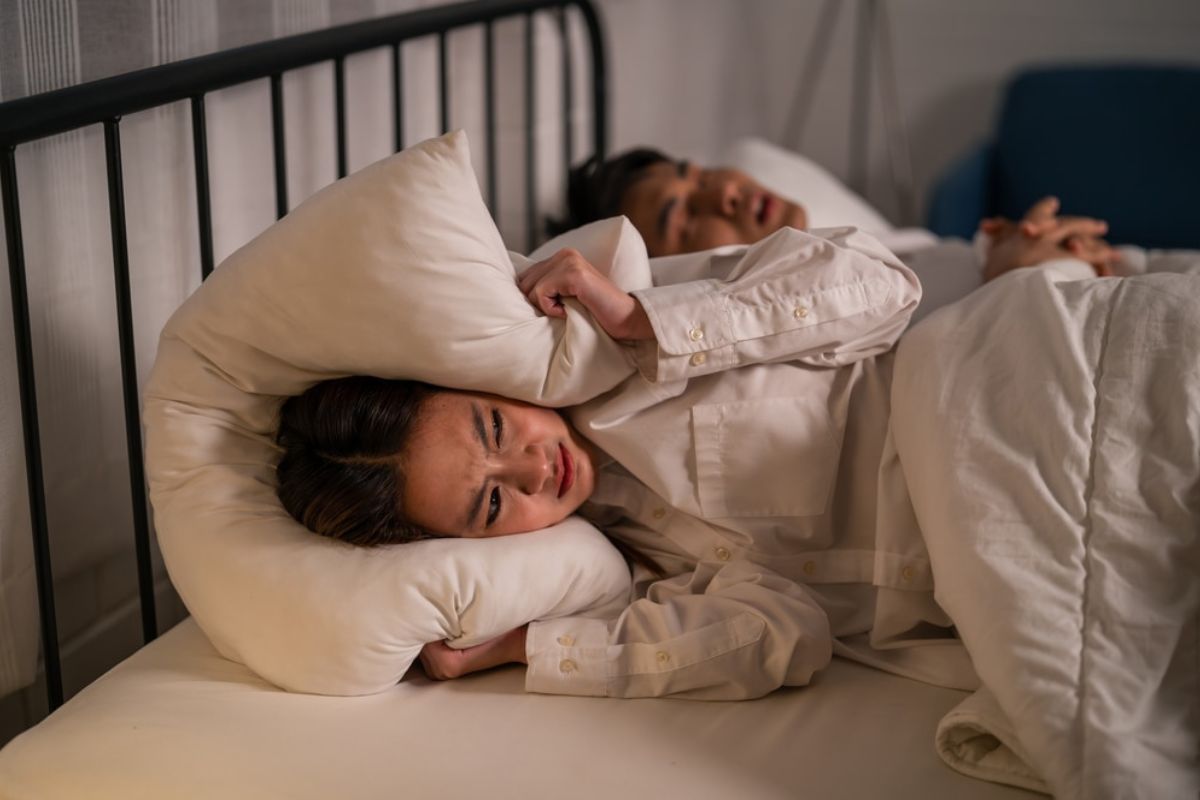
Tired of nights filled with the rumble of a freight train? Does your partner nudge you constantly, begging for silence? You’re not alone. Snoring affects millions, and it’s more than just a noisy nuisance. It can signal underlying health issues, including sleep apnea. But did you know your dentist can help? Let’s dive into how your dental professional can be your secret weapon for peaceful nights and revitalized mornings.
Beyond Cavities: Dental Solutions for Snoring
Many people associate dentists with teeth cleaning and fillings. However, they play a crucial role in addressing sleep-related breathing disorders. Your dentist understands the intricate relationship between your oral structures and your airway. They can assess your mouth, jaw, and throat to identify potential obstructions contributing to snoring and sleep apnea.
Understanding Snoring: Unraveling the Causes
Snoring, that often disruptive nighttime noise, arises from vibrations of relaxed tissues in the airway. Several factors can contribute to this:
- Anatomy of the Mouth and Throat:
- A low, thick soft palate or an elongated uvula can narrow the airway.
- Enlarged tonsils or adenoids can also obstruct airflow.
- Nasal Congestion:
- Chronic nasal congestion due to allergies, colds, or a deviated septum can force air through a narrowed passage, leading to snoring.
- Muscle Relaxation:
- Alcohol consumption and certain medications relax throat muscles, increasing the likelihood of snoring.
- As we age, muscle tone naturally decreases, contributing to airway narrowing.
- Sleep Position:
- Sleeping on the back often worsens snoring, as gravity causes the tongue and soft palate to collapse backward.
- Weight:
- Excess weight, particularly around the neck, can compress the airway.
- Lifestyle factors:
- smoking can irritate and inflame the upper airways, leading to increased snoring.
Understanding these factors is the first step towards finding effective solutions for a more peaceful night’s sleep.
Oral Appliances: A Comfortable Solution
One of the most effective dental treatments for snoring is the use of oral appliances. These custom-fitted devices resemble mouthguards and work by repositioning your jaw or tongue. This keeps your airway open during sleep, reducing or eliminating snoring. They are a great alternative to bulky CPAP machines for those with mild to moderate sleep apnea. If you are looking for Sleep Apnea Treatment in Rancho Santa Margarita, you can find a dentist that has these oral appliances.
The Role of Your Jaw in Sleep Quality
Your jaw’s alignment significantly impacts your airway. A misaligned jaw, or temporomandibular joint (TMJ) disorder, can contribute to snoring. Your dentist can evaluate your jaw’s position and recommend treatments like orthodontic adjustments or TMJ therapy. These treatments can improve your jaw’s function and, in turn, enhance your sleep quality.
Identifying Sleep Apnea: What Your Dentist Looks For
Dentists are trained to recognize signs of sleep apnea during routine checkups. They look for specific indicators, such as a large tongue, crowded oral structures, or evidence of teeth grinding (bruxism). These signs can suggest airway obstruction and warrant further investigation. Dentists may recommend a sleep study to confirm a diagnosis and determine the severity of your sleep apnea. If you are seeking Sleep Apnea Treatment in Rancho Santa Margarita, our dentist can help you find a sleep specialist.
Lifestyle Changes: Partnering with Your Dentist
While dental appliances and treatments are effective, lifestyle changes are also essential. Your dentist can provide guidance on healthy habits that promote better sleep. This includes maintaining a healthy weight, avoiding alcohol and sedatives before bed, and establishing a consistent sleep schedule. They will work with you to create a comprehensive plan for restful nights.
The Connection Between Oral Health and Sleep
Good oral hygiene is not just about a bright smile. It’s also linked to better sleep. Gum disease and other oral infections can exacerbate sleep problems. By maintaining excellent oral health, you support your overall well-being and contribute to a more peaceful night’s sleep.
Taking the First Step Towards Better Sleep
Don’t let snoring steal another night of rest. Your dentist can be your partner in achieving healthy, restorative sleep. If you are ready to explore Sleep Apnea Treatment in Rancho Santa Margarita, now is the perfect time to act. Take control of your sleep and your health.
Ready to say goodbye to snoring and hello to restful sleep? Contact us today to schedule an appointment and discover how we can help you achieve the peaceful nights you deserve.
Frequently Asked Questions About Snoring and Dental Solutions
Q: Can my dentist really help with my snoring?
A: Yes! Dentists are trained to assess the oral structures that contribute to snoring and sleep apnea. They can provide solutions like custom oral appliances to keep your airway open.
Q: What are oral appliances, and how do they work?
A: Oral appliances are custom-fitted mouthguards that reposition your jaw or tongue during sleep. This helps prevent airway obstruction and reduces or eliminates snoring.
Q: Is snoring always a sign of sleep apnea?
A: Not always, but it can be. Snoring is a common symptom of sleep apnea, a serious sleep disorder. Your dentist can help determine if further evaluation is needed.
Q: How do I know if I have sleep apnea?
A: Common symptoms include loud snoring, daytime fatigue, morning headaches, and difficulty concentrating. A sleep study, often recommended by your dentist, can confirm a diagnosis.
Q: Can losing weight help with snoring?
A: Yes, losing weight, especially if you have excess weight around your neck, can significantly reduce snoring.
Q: Are there any lifestyle changes I can make to improve my snoring?
A: Yes, avoiding alcohol and sedatives before bed, maintaining a regular sleep schedule, and sleeping on your side can help.
Q: Are oral appliances comfortable to wear?
A: Yes, they are custom-fitted to your mouth, making them comfortable for most people. Some adjustment time may be needed.
Q: How often should I see my dentist for snoring-related issues?
A: Regular dental checkups are essential. Your dentist can monitor your progress and make any necessary adjustments to your treatment plan.
Q: Can TMJ disorders cause snoring?
A: Yes, a misaligned jaw or TMJ disorder can contribute to snoring. Your dentist can assess your jaw alignment and recommend appropriate treatment.
Q: What is the first step I should take to address my snoring?
A: Schedule an appointment with your dentist. They can evaluate your situation and recommend the best course of action.