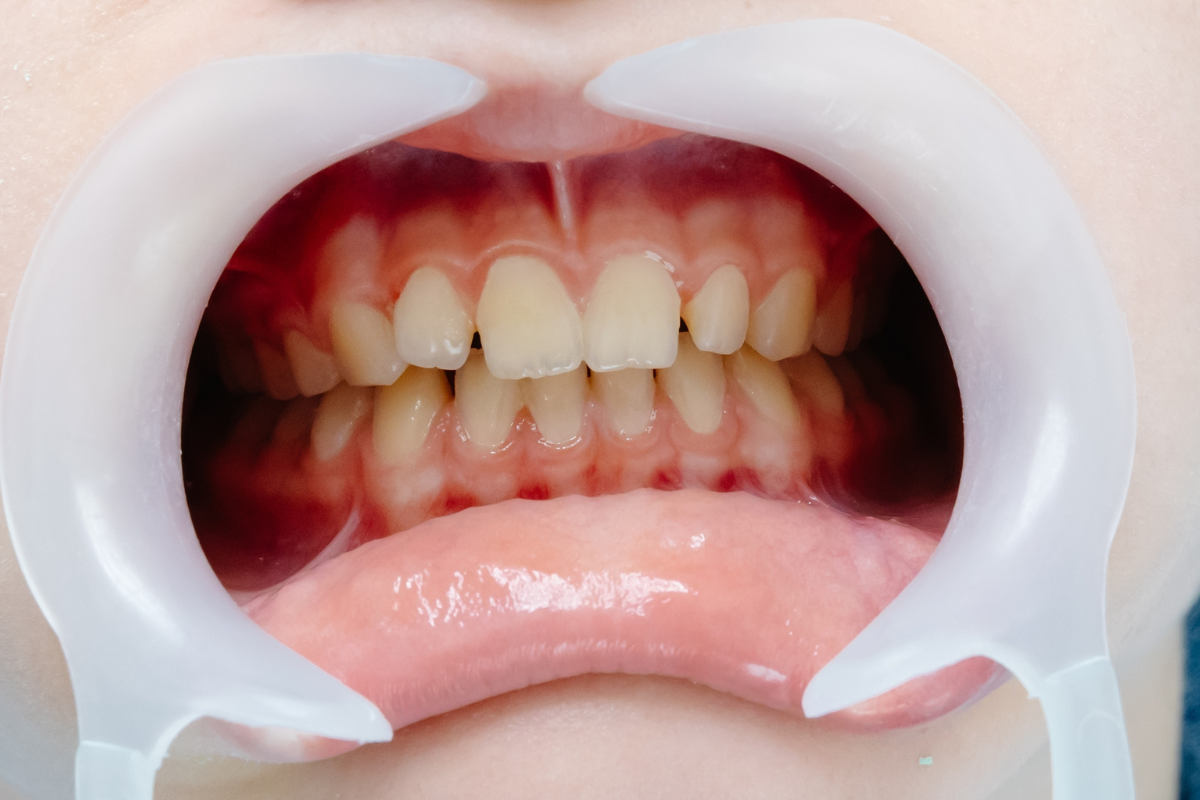
Gum recession is one of the most common oral health concerns that often develops gradually, making it easy to overlook until noticeable symptoms arise. It occurs when the gum tissue surrounding the teeth begins to wear away or pull back, exposing more of the tooth or its root. While mild recession may not seem alarming, untreated cases can lead to tooth sensitivity, decay, and even tooth loss. Understanding the causes and recognizing the warning signs early can help you take the right steps to protect your smile.
What Causes Gum Recession?
There are several factors that contribute to gum recession, many of which can be managed with proper oral hygiene and regular dental care. Some of the most common causes include:
1. Periodontal (Gum) Disease:
Gum disease is the leading cause of gum recession. Bacterial infections damage the gum tissue and bone that support the teeth, causing the gums to pull away. Early detection and treatment of gingivitis or periodontitis are essential to prevent irreversible damage.
2. Aggressive Brushing:
Brushing your teeth too hard or using a toothbrush with hard bristles can wear down the enamel and irritate the gum tissue. This mechanical trauma can lead to gum recession over time. Always use a soft-bristled toothbrush and gentle circular motions to clean effectively without harming your gums.
3. Poor Oral Hygiene:
Inadequate brushing and flossing allow plaque and tartar to build up, which can trigger gum inflammation and infection. Consistent oral care is key to preventing bacteria from damaging your gums and supporting structures.
4. Genetics:
Sometimes, gum recession runs in families. If your parents experienced gum problems, you may have a higher risk, even with excellent oral hygiene habits. Regular dental checkups are crucial for monitoring gum health.
5. Hormonal Changes:
Hormonal fluctuations during pregnancy, menopause, or puberty can make gums more sensitive and prone to recession. Proper dental care during these stages can help reduce the impact.
6. Teeth Grinding and Clenching:
Bruxism, or chronic teeth grinding, places excessive force on the teeth, which can lead to gum recession. A custom nightguard prescribed by your dentist can help protect your teeth and gums.
7. Misaligned Teeth or Bite Issues:
When teeth do not come together properly, it can put uneven pressure on the gums and bone, leading to recession over time. Orthodontic treatments can help correct these issues and preserve gum health.
When to Consider Oral Surgery
In some cases, professional intervention is necessary to restore gum health and protect the roots of your teeth. Oral Surgery in Rancho Santa Margarita may be recommended if you experience:
- Persistent tooth sensitivity, especially to hot or cold foods
- Noticeable gumline changes or elongated teeth
- Loose teeth or gaps forming between teeth and gums
- Bleeding, swelling, or pus around the gums
- Deep pockets that don’t improve with regular cleanings
Gum grafting is one of the most common surgical procedures to treat gum recession. It involves taking tissue (either from your palate or donor material) and attaching it to the affected area to cover exposed roots. This not only improves your smile’s appearance but also helps prevent further damage and sensitivity.
How to Prevent Gum Recession
The best way to prevent gum recession is through consistent dental care and healthy habits. Brush and floss daily, avoid aggressive brushing, eat a balanced diet, and see your dentist regularly for professional cleanings. If you notice any signs of gum disease, seek dental attention right away.
Conclusion
Gum recession is a progressive condition that can seriously impact your oral health if ignored. Recognizing the signs early and seeking timely treatment can save your teeth and restore your confidence. If you are experiencing gum issues or suspect you may need treatment, consider Oral Surgery in Rancho Santa Margarita for expert evaluation and care.
At Jordan & Pham Dentistry, our skilled dental professionals specialize in comprehensive gum and oral surgery treatments designed to restore your smile’s health and appearance. Don’t wait until the problem worsens and request an appointment today to protect your gums and maintain a healthy, beautiful smile for years to come.
FAQS
What is gum recession and why does it happen?
Gum recession occurs when the gum tissue around your teeth pulls back, exposing more of the tooth or its root. It’s commonly caused by gum disease, aggressive brushing, poor oral hygiene, or genetic factors.
Can gum recession heal on its own?
No, gum tissue does not regenerate naturally once it recedes. However, with professional dental care, the progression can be stopped, and treatments like gum grafting can restore gum coverage and protect your teeth.
How do I know if I need oral surgery for gum recession?
You may need oral surgery if you have persistent tooth sensitivity, visible gum loss, loose teeth, or deep gum pockets that don’t improve with routine cleanings. A dentist can determine if gum grafting or another surgical procedure is necessary.
What are the main causes of gum recession?
Common causes include periodontal disease, aggressive brushing, poor oral hygiene, teeth grinding, misaligned teeth, and hormonal changes. Identifying and addressing these factors early helps prevent further gum damage.
How can I prevent gum recession from getting worse?
Maintain good oral hygiene, schedule regular dental checkups, avoid smoking, and wear a nightguard if you grind your teeth. These habits help protect your gums and prevent further recession.