Dental implants are a popular option for replacing missing teeth, restoring chewing function, and improving the appearance of your smile. However, the success of implant treatment depends on several factors, including oral hygiene, overall health, and lifestyle habits. Smoking is one factor that can interfere with healing and increase the risk of complications.
For people considering dental implants in Rancho Santa Margarita, understanding the relationship between tobacco use and implant health is an important step toward making informed decisions. Although smoking does not automatically prevent someone from receiving implants, it can affect how well the surrounding tissues heal and how long the restoration lasts.
How Smoking Affects Dental Implant Healing
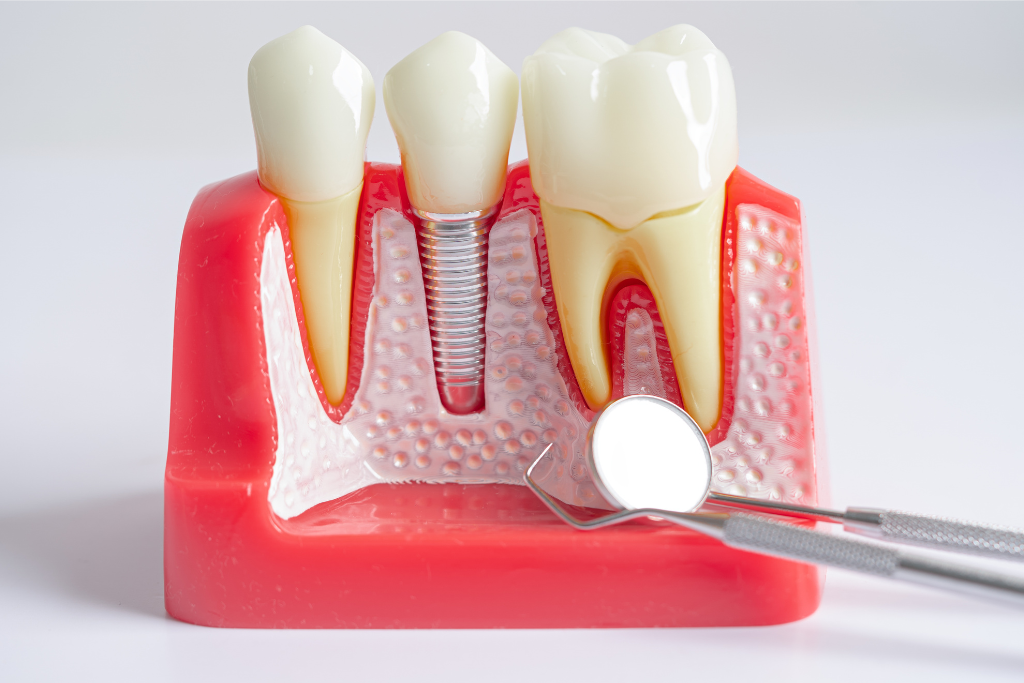
After implant placement, the implant must integrate with the jawbone through a process called osseointegration. During this process, bone grows around the implant, creating a stable foundation for the replacement tooth. Healthy blood circulation and proper tissue healing are essential for this process.
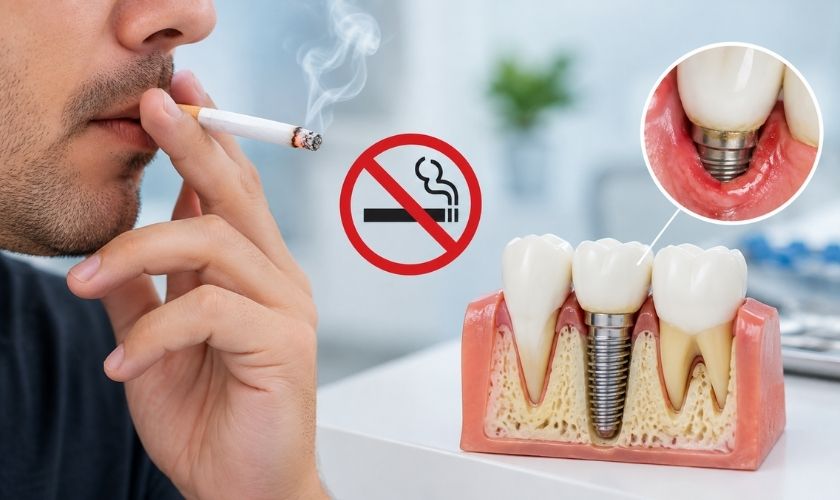
Smoking introduces nicotine, carbon monoxide, and other harmful substances into the body. These substances can restrict blood flow, reduce oxygen delivery, and interfere with the body’s natural healing response. As a result, smokers may experience slower recovery after implant surgery.
The U.S. Food and Drug Administration identifies smoking as a factor that may affect healing and decrease the long-term success of dental implants. This makes discussing tobacco use with your dental provider an important part of treatment planning.
1. Increased Risk of Implant Failure
One of the primary concerns associated with smoking is the increased risk of implant failure. An implant needs sufficient bone support to remain stable and function properly. If healing is disrupted, the implant may not integrate successfully with the jawbone.
Research has found an association between smoking and higher rates of early implant failure. Smoking may also contribute to complications that develop after the implant has been restored. The risk can vary depending on smoking frequency, oral health, bone quality, and other medical conditions.
This does not mean every smoker will experience implant failure. However, understanding the potential risks allows patients and their dental providers to develop a treatment plan that supports better healing.
2. Slower Recovery After Implant Surgery
Healing is an essential part of the implant process. Following surgery, the gums need time to recover, and the implant must gradually become stable within the jawbone.
Smoking can interfere with this recovery by limiting circulation and affecting the body’s ability to repair damaged tissues. This may contribute to delayed healing, prolonged discomfort, and a greater chance of postoperative complications.
Patients should follow their provider’s instructions carefully after surgery. Avoiding smoking during recovery is an important precaution, and patients should ask their dental provider how long they should remain smoke-free before and after treatment.
3. Greater Risk of Gum Inflammation and Infection
Healthy gums help protect the tissues surrounding dental implants. However, smoking can weaken the body’s immune response and make it harder to manage harmful bacteria in the mouth.
This can increase the risk of inflammation around an implant. One condition to understand is peri-implantitis, an inflammatory disease that affects the tissues surrounding an implant and can lead to progressive bone loss if left untreated.
Signs of a potential problem include gum tenderness, swelling, bleeding, persistent bad breath, or discomfort around the implant. Some complications may develop without obvious symptoms during the early stages, so regular dental examinations are important even when the implant feels normal.
4. Increased Risk of Jawbone Loss
Dental implants rely on the jawbone for stability. After placement, the surrounding bone gradually integrates with the implant and supports the replacement tooth during everyday activities such as chewing.
Smoking has been associated with greater bone loss around implants. Tobacco exposure can affect bone metabolism and interfere with the biological processes involved in maintaining healthy supporting tissues.
When bone loss progresses, an implant may become less stable and more difficult to maintain. Regular monitoring helps dental professionals identify changes around the implant and recommend appropriate care before problems become more advanced.
5. Effects on Long-Term Implant Success
Dental implants are designed to provide lasting tooth replacement, but their longevity depends on ongoing care and the health of the surrounding tissues.
Smoking may contribute to several problems over time, including gum inflammation, bone loss, and reduced implant stability. These complications can increase the likelihood of additional treatment or, in severe cases, implant removal.
Maintaining a consistent oral hygiene routine, attending recommended checkups, and managing conditions such as gum disease can help protect implant health. Although quitting smoking cannot guarantee success, it removes an important risk factor and supports better overall oral health.
Can Smokers Still Get Dental Implants?
Yes, some people who smoke may still qualify for implant treatment. Smoking is not considered an automatic disqualification, but it should be included in the assessment of each patient’s risks.
An implant dentist in Rancho Santa Margarita can evaluate your gums, jawbone, medical history, tobacco use, and other factors before recommending treatment. Depending on your circumstances, additional preparation or closer follow-up may be appropriate.
Be honest about how often you smoke and whether you use other tobacco or nicotine products. This information helps your provider make informed recommendations and explain realistic expectations for healing and long-term maintenance.
Tips for Protecting Your Dental Implants if You Smoke
If you smoke or have a history of tobacco use, several practical steps may help reduce complications:
- Consider quitting: Stopping smoking before treatment and remaining smoke-free during recovery can support the healing process. Ask your healthcare provider for help creating a cessation plan.
- Follow postoperative instructions: Take medications as prescribed and follow guidance about eating, cleaning the surgical area, and returning to normal activities.
- Maintain excellent oral hygiene: Brush gently with a soft-bristled toothbrush and clean between your teeth as recommended by your dental provider.
- Attend regular checkups: Professional examinations can help identify inflammation, changes in bone support, or other concerns early.
- Manage existing gum disease: Treating periodontal problems before implant placement can help create healthier conditions for treatment.
- Report unusual symptoms: Contact your dental provider if you notice persistent pain, swelling, bleeding, discharge, or movement around an implant.
These measures are useful for supporting oral health, but they cannot eliminate every risk associated with smoking.
Protect Your Smile With Informed Implant Care
Understanding how smoking affects dental implants can help you make decisions that support your oral health. From delayed healing to an increased risk of gum inflammation and bone loss, tobacco use can influence both the initial recovery period and the long-term condition of an implant.
At Jordan and Pham Dentistry, patients can discuss their tooth replacement goals, lifestyle habits, and concerns as part of an individualized approach to implant care. A thorough evaluation helps determine whether treatment is appropriate and what steps may improve the chances of a successful outcome.
If you are considering implants or have questions about smoking and your current restoration, contact us to learn more about your options. Taking a proactive approach to treatment planning and preventive care can help you protect your oral health for years to come.
When you are ready to discuss your needs in person, visit our dental office for an evaluation and personalized recommendations based on your oral health.
Frequently Asked Questions
- Does smoking cause dental implants to fail?
Smoking increases the risk of implant failure by affecting healing, blood flow, and bone integration. However, failure is not inevitable, and individual outcomes depend on several health and lifestyle factors.
- How long should I stop smoking before dental implant surgery?
There is no single timeframe that applies to everyone. Quitting as early as possible is beneficial, and your dental provider can recommend an appropriate period before surgery and throughout recovery.
- Can I smoke after getting a dental implant?
Smoking after implant placement can interfere with healing and increase the risk of complications. Remaining smoke-free during recovery is advisable, and your provider can offer guidance for your situation.
- Does smoking increase the risk of infection around implants?
Yes. Smoking can weaken immune responses and impair healing, potentially increasing the risk of inflammation and infection around implants. Daily cleaning and professional monitoring remain important for prevention.
- Can dental implants last a lifetime if I smoke?
Dental implants can last many years, but smoking may reduce their long-term success. Longevity also depends on oral hygiene, bone health, medical conditions, and regular professional maintenance.
- Are e-cigarettes safer for dental implants than cigarettes?
Current evidence about vaping and implant outcomes is limited. It is best not to assume e-cigarettes are harmless during healing; discuss nicotine use and other products with your dental provider before treatment.
- What are the warning signs of dental implant complications?
Warning signs include persistent pain, swelling, bleeding, discharge, gum recession, or an implant that feels loose. These symptoms require professional assessment because early treatment may help limit further complications.