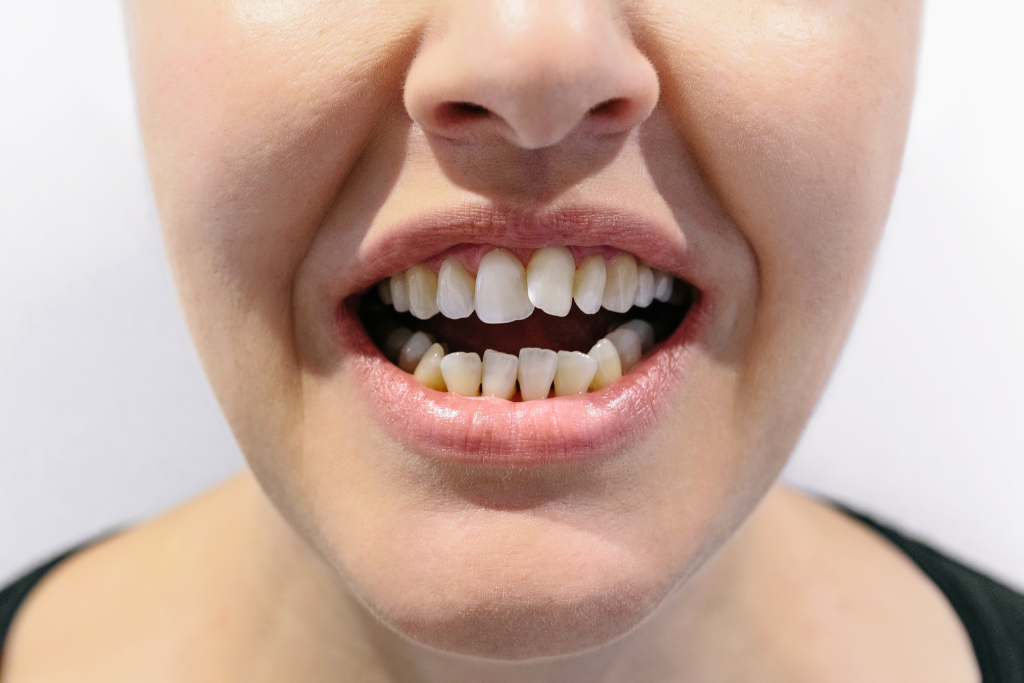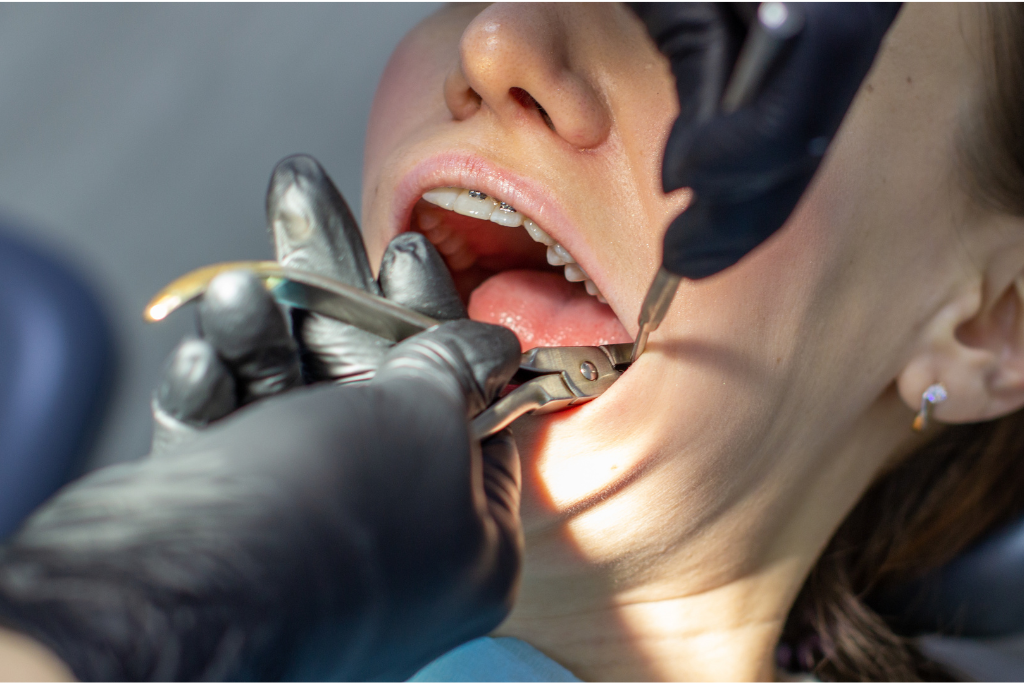
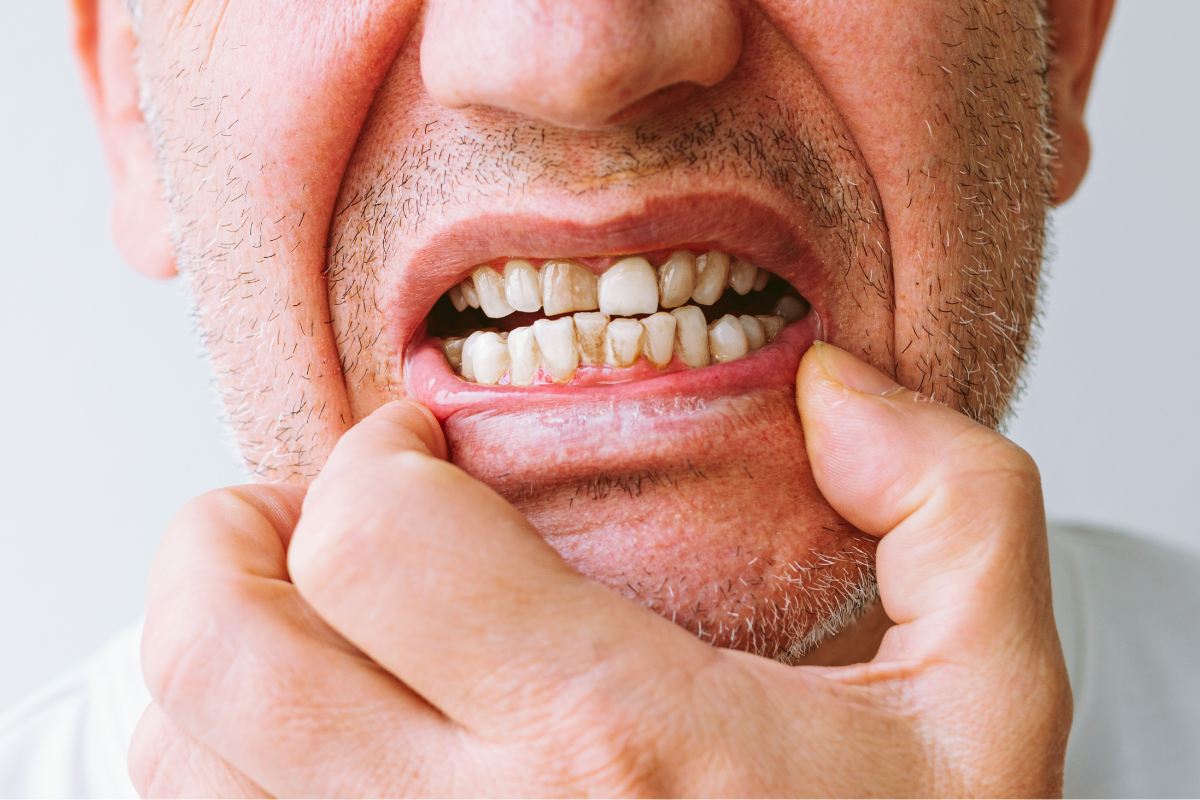
A healthy smile is more than just a sign of confidence; it reflects your overall well-being. As adults, we often balance work, family, and countless responsibilities, which sometimes means oral care takes a back seat. Over time, that can lead to preventable dental issues that affect comfort, health, and appearance.
Understanding the most common dental problems in adults can help you take action before minor concerns turn into serious conditions. You can maintain a strong and healthy smile for years with daily care, good nutrition, and regular dental visits.
If you visit a dentist in Rancho Santa Margarita, you’ll find that many dental concerns can be managed early with simple preventive steps. The key is awareness, consistency, and communication with your dental care team.
The Importance of Preventive Dental Care for Adults
Prevention is the foundation of lifelong oral health. Many adults assume that if they brush and floss, they’re doing enough. While that’s a great start, prevention also includes regular checkups, cleanings, and paying attention to early warning signs.
Plaque buildup, gum inflammation, or mild sensitivity may seem minor initially, but can quickly progress into more serious conditions. A preventive approach helps you save both time and discomfort. By addressing small problems early, you avoid larger treatments later and preserve your natural teeth for life.
Below are some of the most common dental issues adults face, including their causes, prevention tips, and treatment options.
1. Tooth Decay
Tooth decay remains one of the most frequent oral health concerns among adults. It develops when bacteria in the mouth produce acids that attack the enamel. Over time, these acids create small holes, or cavities, that can grow larger if not treated.
Prevention:
Brush twice daily with fluoride toothpaste and floss regularly to remove food particles and plaque. Limit sugary snacks and drinks, and schedule dental cleanings twice a year.
Treatment:
Your dentist may use fillings to repair minor cavities. For deeper decay, a root canal procedure might be necessary to remove infected tissue and restore the tooth.
2. Gum Disease
Gum disease often begins silently. Early symptoms include redness, bleeding, or swelling around the gums. Without proper care, it can progress to advanced stages, damaging the bone and leading to tooth loss.
Prevention:
Brush and floss daily, and don’t skip your professional cleanings. Avoid tobacco use, as it increases the risk of gum problems.
Treatment:
Deep cleaning procedures like scaling and root planing remove plaque from below the gumline. Advanced cases may require specialized gum treatments to restore oral health.
3. Tooth Sensitivity
Tooth sensitivity is common among adults and can occur when enamel thins or gums recede, exposing the underlying dentin. Sudden discomfort from hot, cold, or sweet foods is often the first sign.
Prevention:
Use a soft-bristled toothbrush and a gentle brushing technique. Avoid acidic drinks and switch to toothpaste for sensitive teeth.
Treatment:
Fluoride treatments or bonding materials can protect exposed areas. Your dentist may also suggest desensitizing products to strengthen enamel.
4. Cracked or Chipped Teeth
Daily habits like chewing on ice, biting pens, or grinding nighttime teeth can cause cracks or chips. If ignored, even small fractures can lead to pain or infection.
Prevention:
Avoid biting hard foods, and wear a mouthguard if you grind your teeth or play sports. Regular dental exams can detect small cracks before they worsen.
Treatment:
Depending on severity, your dentist may use dental bonding, crowns, or veneers to repair and protect the tooth.
5. Tooth Discoloration
Stains build up naturally over time from coffee, tea, red wine, and tobacco. Aging also makes enamel thinner, allowing more yellow dentin to show through.
Prevention:
After consuming stain-causing foods and drinks, rinse with water often, and maintain routine cleanings.
Treatment:
Professional whitening treatments can brighten your smile safely. Veneers may also be an option for long-term color improvement.
6. Bad Breath (Halitosis)
Persistent bad breath can signal an underlying oral issue such as gum disease, tooth decay, or dry mouth. Poor hygiene and diet can also contribute.
Prevention:
Brush your tongue, stay hydrated, and avoid skipping meals. Maintain consistent brushing and flossing habits.
Treatment:
Professional cleanings and antibacterial rinses can reduce odor-causing bacteria. Addressing gum or tooth infections will also help eliminate bad breath.
Why Addressing Dental Issues Early Matters
Most adult dental problems worsen gradually, often showing pain or bleeding only after significant damage has occurred. Regular dental visits with a Rancho Santa Margarita dentist allow early detection of potential concerns helping you avoid discomfort, complex procedures, and unexpected costs.
Cleanings remove buildup that brushing can’t reach, and exams help identify issues like cavities, cracks, or inflammation in their earliest stages. A preventive mindset keeps your teeth functional, attractive, and healthy for the long term.
Take Charge of Your Oral Health
Maintaining oral health as an adult isn’t just about appearance — it’s about comfort, confidence, and overall wellness. By following good daily habits and staying consistent with professional care, you can avoid many common issues altogether.
If you’re ready to protect your smile and address any concerns, schedule an appointment with a dentist in Rancho Santa Margarita at Jordan & Pham Dentistry. Their team can guide you with preventive care, timely treatment, and ongoing support to help your smile stay strong and healthy.
FAQs
1. How often should adults have dental checkups?
Most adults should see a dentist every six months for cleanings and exams. Those with gum problems may need more frequent visits.
2. What causes adult cavities even with regular brushing?
Diet, dry mouth, and missed plaque between teeth can still lead to decay. Flossing and professional cleanings are essential.
3. How can I reduce tooth sensitivity naturally?
Use a soft toothbrush, avoid acidic foods, and brush gently with desensitizing toothpaste.
4. Is gum disease reversible?
Yes, in the early stages. Professional cleanings and improved home care can reverse mild gum inflammation.
5. Why does bad breath keep coming back?
Persistent bad breath may be linked to gum disease, cavities, or dry mouth. A dental exam can identify the cause and solution.